What architects need to know when specifying artificial planting on a project
« Back09/09/2026 - (NONE)
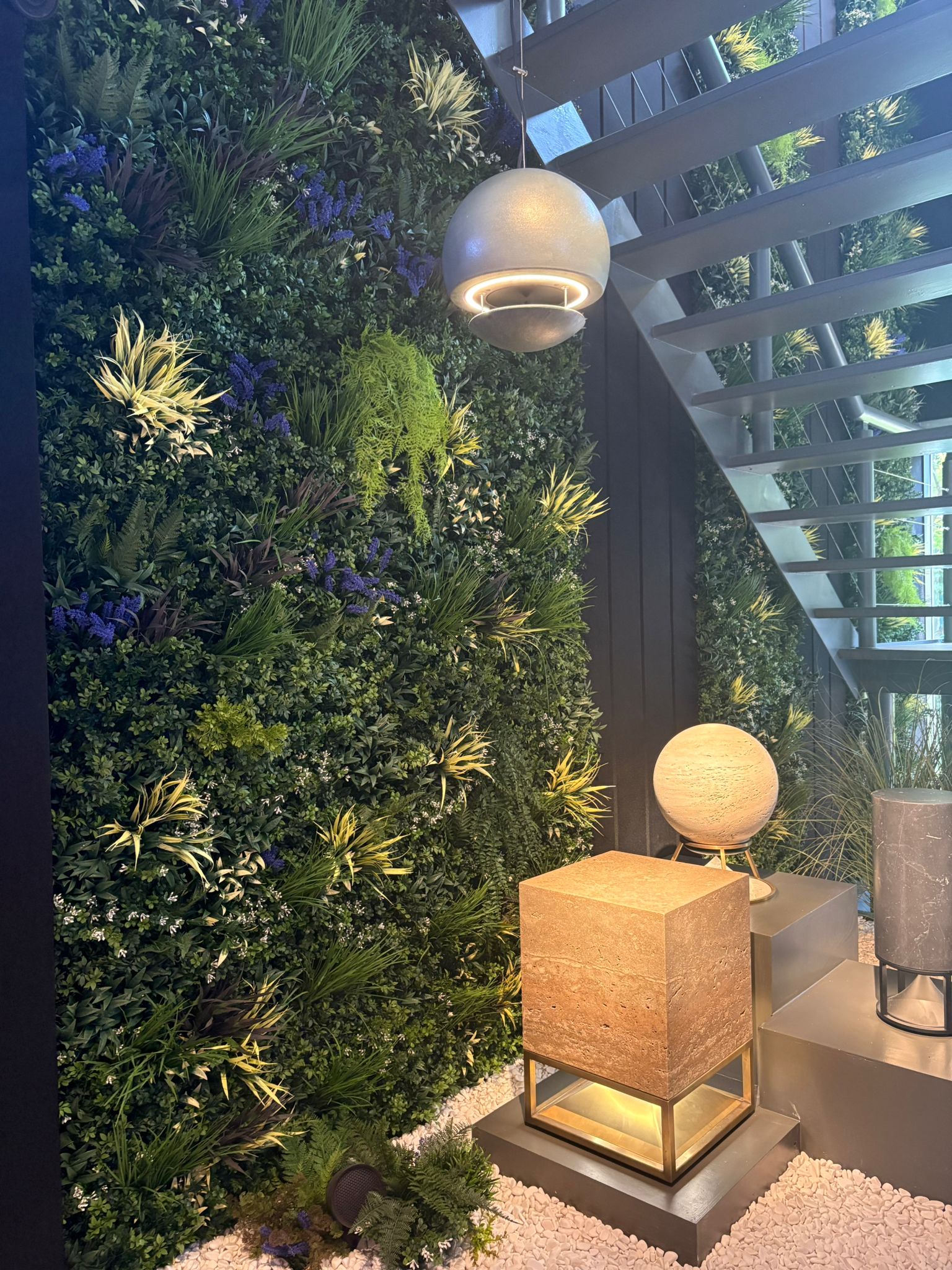
Artificial planting has moved firmly into the specification conversation for architects — not as an afterthought, but as a considered material choice with real technical and design implications. As more artificial green wall and biophilic design elements appear in commercial and residential briefs, here's what's worth knowing before specifying.
Structural impact matters more than you'd think
One of the most overlooked advantages of artificial planting solutions is weight. Unlike living green walls, which require irrigation systems, drainage, and structural allowance for soil and water load, high-quality artificial green wall panels are lightweight, placing minimal structural demand on a building. This makes them a practical option for interior artificial green walls in high-rise developments, retrofit projects, or spaces where structural loading is already tight.
UV stability and longevity are specification essentials
Not all artificial planting is created equal. For exterior or high-light applications, UV resistance in artificial plants is critical to prevent fading and degradation over time. Architects specifying for long-term commercial use should request UV-stable, inherently flame-retardant products — details that should sit alongside any material spec sheet.
Low maintenance, high design flexibility
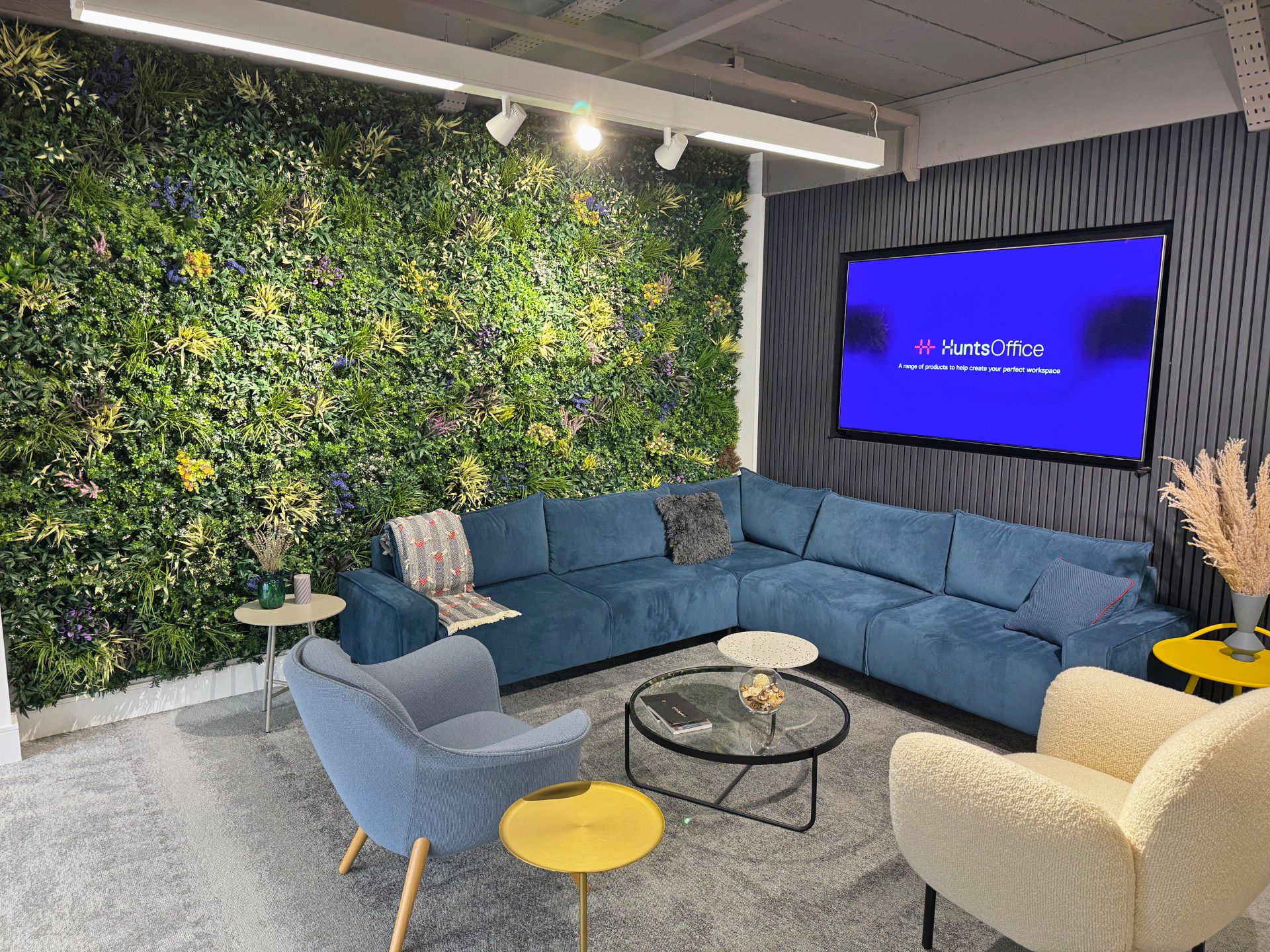
Low maintenance artificial plants remove the ongoing service burden that living walls demand — no irrigation systems, no plant replacement, no seasonal dieback. This makes them particularly suited to spaces with limited natural light or difficult access for maintenance teams, without compromising on a lush, realistic finish.
Bespoke specification is often possible
Off-the-shelf rarely fits a considered architectural brief. Green Envee's bespoke artificial planting service allows for custom colours, shapes, and scale — from replica trees built to precise dimensions to green wall panels tailored to a specific façade or interior feature.
Support at the specification stage
As artificial planting solutions for architects become a more established part of biophilic and sustainable design conversations, getting the technical detail right at the specification stage ensures the finished result performs as beautifully as it looks.
Images taken from our showrooms, see Showrooms for more info.